Blog
The Truth About Foger Battery Performance and Reliability

If you’ve ever wondered what actually powers a 35,000-puff disposable vape, the answer is a small but carefully engineered lithium-ion cell. The foger battery inside modern foger battery review disposables is what determines whether your device lasts through its rated puff count or quits halfway. This guide explains how that rechargeable battery works, how to take care of it, what to look for when buying, and how to troubleshoot common charging issues — all in plain English, without the marketing hype.
- Rechargeable: Foger BIT 35K devices use a built-in rechargeable lithium-ion cell with a USB-C port.
- Standard chemistry: 3.7V nominal lithium-ion, the same chemistry found in most consumer electronics.
- Charge smart: Use a 5V/1A adapter and keep the cell between roughly 20% and 80% for best long-term health.
- Heat is the enemy: Hot cars and direct sunlight permanently shorten lithium-ion cell life.
- The Secret Sauce Inside Your Foger Battery Revealed
- Why the Foger Battery Is a Game-Changer for Your Vaping Experience
- How to Get the Most Out of Your Foger Battery
- Is the Foger BIT 35K Worth the Hype? A Deep Dive Into the Specs
- Is the Foger Battery Actually Worth the Hype?
- How to Choose the Perfect Foger Battery for Your Device
Content Table:
The Secret Sauce Inside Your Foger Battery Revealed
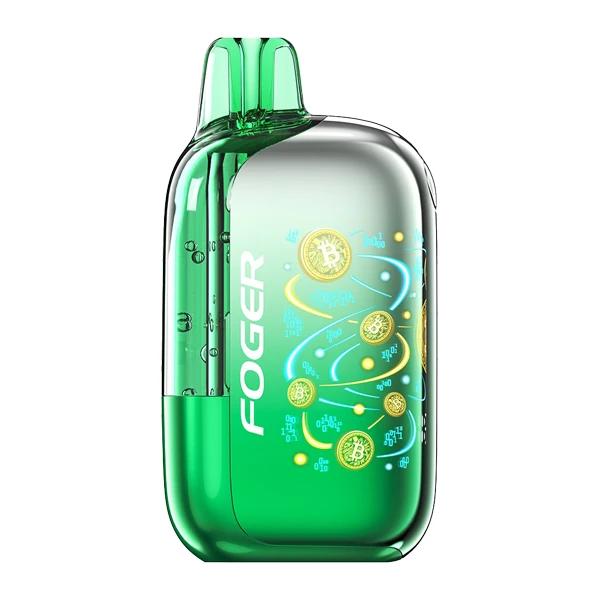
The term “foger battery” refers to the rechargeable lithium-ion cell built into Foger disposable vapes. Like most single-cell vape batteries, it runs at a 3.7V nominal voltage (typically 4.2V fully charged, cutting off around 3.2–3.3V). For a 35,000-puff device such as the Foger BIT 35K series, manufacturer specifications list a cell in the 600–650 mAh range, which is recharged multiple times over the device’s lifecycle to deliver the rated puff count.
The cell doesn’t work alone. A small power management integrated circuit (PMIC) sits between the battery and the coil. The PMIC does three jobs: it regulates voltage to the heating element so output stays steady as the cell drains, it manages the charging curve when you plug in USB-C, and it handles safety cutoffs — overcharge protection, over-discharge protection, short-circuit protection, and thermal cutoff. That regulation is why a draw at 20% charge tastes similar to a draw at 90% charge on a well-designed device like the foger battery guide.
The charging input is USB-C, rated for 5V at up to 1A (5W). That’s a deliberately modest charge rate — it keeps cell temperature down and protects long-term cycle life. Faster isn’t better on a small cell like this.
Why the Foger Battery Is a Game-Changer for Your Vaping Experience
The practical benefit of a rechargeable lithium-ion design in a high-puff disposable is straightforward: the e-liquid reservoir holds enough juice for tens of thousands of puffs, but no single battery charge could power that much vaporization. Recharging via USB-C lets the hardware lifespan match the e-liquid capacity, so you’re not throwing out a device with liquid still in the tank.
On the safety side, the integrated protection circuit prevents the most common lithium-ion failure modes. Overcharge protection cuts current when the cell reaches full voltage. Over-discharge protection shuts the device off before the cell drops to a damaging low voltage. Short-circuit protection trips if the coil or wiring faults. These aren’t unique to Foger — they’re standard in any reputable disposable — but their presence is what makes daily rechargeable use reasonable on a sealed device like the about foger battery or the about foger battery.
The LED indicator on the device gives you basic charge feedback — solid when charging, off or different color when full, and a blink pattern for low battery or fault states (more on that in the Frequently Asked Questions below).
How to Get the Most Out of Your Foger Battery
Lithium-ion cells degrade based on how they’re charged, discharged, and stored. A few habits go a long way:
Charging and Care Checklist
- Use a 5V/1A adapter. A standard phone wall brick or a powered USB port works. Avoid high-wattage fast chargers — the device will only pull what its circuit allows, but cheaper unregulated chargers can stress the input.
- Stay in the 20–80% zone when practical. Routinely draining to 0% or sitting at 100% for long periods accelerates capacity loss. Topping off is better than deep cycling.
- Keep it cool. Don’t leave the device in a hot car, on a sunny windowsill, or near a heat source. Heat is the single biggest factor in lithium-ion aging.
- Use a quality USB-C cable. The cable that came with the device, or a known-good replacement, prevents bad connections that can cause incomplete charges or heat buildup.
- Stop if it gets hot. Warm during charging is normal. Hot to the touch is not — unplug and let it cool.
Signs your battery is reaching end-of-life: noticeably shorter runtime between charges, the device getting warm during normal use, the LED behaving erratically, or charging that completes much faster than it used to (a sign the cell can no longer hold its rated capacity). For more general background on e-cigarette hardware and safety, see CDC information on e-cigarettes.
Is the Foger BIT 35K Worth the Hype? A Deep Dive Into the Specs
The Foger BIT 35K SKUs share the same hardware platform — same cell, same PMIC, same USB-C charging — and differ mainly in flavor. That makes the choice between them a question of taste, not battery performance. Here’s a quick side-by-side of the linked models:
| Model | Rated Puffs | Charging | Flavor Profile |
|---|---|---|---|
| compare foger battery | ~35,000 | USB-C, 5V/1A | Sweet peach |
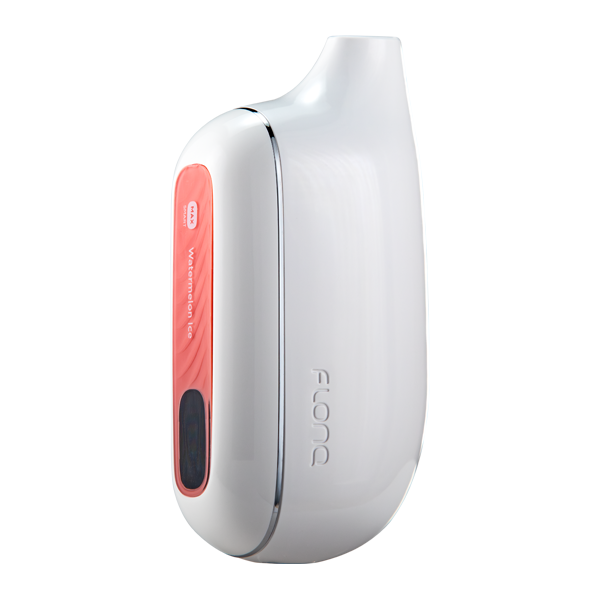
| foger battery guide | ~35,000 | USB-C, 5V/1A | Watermelon with menthol |
| compare foger battery | ~35,000 | USB-C, 5V/1A | Mint menthol |
| about foger battery | ~35,000 | USB-C, 5V/1A | Mixed berry blend |
Because the hardware is consistent across the line, battery life and recharge behavior should feel the same regardless of which flavor you pick. Compare these to basic non-rechargeable compare foger battery and the difference is mainly in lifespan: a rechargeable design lets the device run as long as the juice lasts.
Is the Foger Battery Actually Worth the Hype?
In normal daily use, a Foger BIT 35K device typically needs to be recharged every couple of days, depending on how heavily it’s used. A full charge from near-empty takes roughly 45–60 minutes with a standard 5V/1A adapter, though times vary with cable quality and ambient temperature.
Draw activation stays responsive throughout the charge cycle thanks to the regulated voltage output — you shouldn’t notice flavor or vapor dropping off until the cell is genuinely low. When it is, the LED indicator will signal it, and you can recharge and keep going until the e-liquid runs out. That alignment between liquid capacity and battery lifespan is the main practical advantage of the rechargeable design over older single-charge disposables.
How to Choose the Perfect Foger Battery for Your Device
If you’re shopping for a Foger BIT 35K, a few practical pointers:
- Buy from authorized retailers. Counterfeit disposables exist, and they often skip the safety circuitry that makes the genuine product safe to recharge. Stick to listed sellers and verify packaging seals.
- Expect around $17.99 for a Foger BIT 35K at most authorized US retailers. Prices well below that are a red flag.
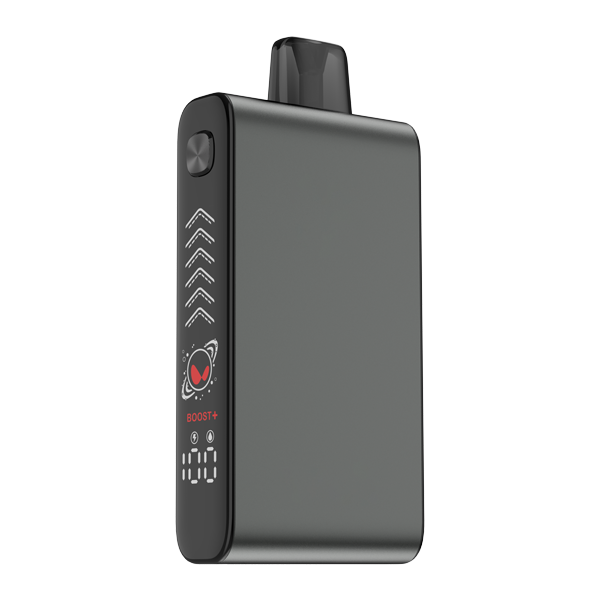
- Check for USB-C and an LED indicator on the device — both are standard on the current BIT 35K line.
- Match flavor to your taste, not to specs. The hardware is the same across the BIT 35K family.
For background on regulation, see the FDA guidance on electronic nicotine delivery systems.
Frequently Asked Questions
Q: Is the Foger BIT 35K rechargeable?
A: Yes. It uses a built-in lithium-ion cell and charges via the USB-C port on the device. It is not user-replaceable — when the device reaches end-of-life or runs out of e-liquid, the whole unit is disposed of.
Q: How long does a full charge last?
A: That depends entirely on how you vape, but most users get one to three days of normal use between charges before needing to top off. The device delivers its full puff rating across many recharge cycles, not on a single charge.
Q: How long does charging take?
A: Roughly 45–60 minutes from near-empty with a standard 5V/1A USB-C charger.
Q: Why is my device blinking or not charging?
A: Common causes: (1) a bad or dirty USB-C cable — try another known-good cable; (2) lint or debris in the charging port — clean gently with a dry toothpick; (3) the device is too cold or too hot — let it return to room temperature before charging; (4) the protection circuit has tripped due to a fault — unplug for a few minutes and try again. A continuous rapid blink during use usually signals low battery; a blink during charging that won’t clear may indicate end-of-life.
Q: Can I use a fast charger?
A: You can plug into one, but the device’s internal circuit limits intake to about 5V/1A. There’s no benefit to using a higher-wattage charger, and a low-quality fast charger can stress the input.
Q: How do I know the battery is dying for good?
A: Telltale signs include sharply reduced runtime, the device feeling warm during light use, charging completing much faster than before, or the LED not responding correctly. At that point the device has reached end-of-life and should be disposed of properly.
Q: How do I know my device is genuine?
A: Buy from authorized sellers, check for intact packaging seals, and scan any verification QR code on the box if present.
Choose the flavor that fits you — best foger battery options, compare foger battery, foger battery tips, or foger battery guide — and treat the rechargeable cell with a little care. A 5V/1A charger, a cool storage spot, and avoiding deep discharge cycles will get you the full lifespan the hardware was designed for.
Explore Our Complete Guides
You May Also Like
📚 Explore Our Complete Guides
💡 You May Also Like
Foger Vape Flavor & Charging Guide: Taste Rankings, Best Pods, and User Tips